How to Kill Canine Parvovirus (CPV) in 2025
Whether you spell it parvovirus or parvo virus, summer brings with it heat and parvo outbreaks. Controlling the spread of the problem requires effective products and an
. Unvaccinated dogs are the most vulnerable, especially puppies. How to kill canine parvovirus is a perennial problem for animal shelters, dog breeders, groomers and veterinarians.rnrnDespite what you may have read on the internet, bleach will not be effective in eliminating parvovirus due to its inability to be concentrated enough to do the job safely without posing a risk to pets and personnel. Therefore, people are left pondering how to destroy the virus.rnrn
How to Treat Parvovirus in Sick Dogs
Dogs that are already infected with parovirus require a treatment regimen. We suggest you visit
Our focus is more on how to prevent the spread of the virus in either your home, animal shelter or hotel.
How to Prevent the Spread Parvovirus
Here are 10 frequently asked questions on the topic “How to kill parvovirus”:
1). How is parvovirus transmitted?
Parvovirus can infect unvaccinated dogs of any age. It is most commonly seen in younger dogs age 6 weeks to 6 months.rnrnThe coronavirus can be excreted in feces, mucus, and has been known to remain on dry surfaces for an extended period of time.
2). What are the symptoms of parvovirus?
Dogs suffering a parvovirus infection may have symptoms of elevated fever, extreme lethargy, bloody diarrhea, vomiting, dehydration, and abdominal pain. These symptoms could also result from other problems, so take the dog to a veterinarian for confirmation.
3). How can I prevent my dog from getting parvovirus?
The single best preventative measure is vaccination.rnrnSecondly, avoid areas where other dogs defecate.rnrnA third effective method is cleaning with products specifically designed for this purpose. AVOID BLEACH and other products that are at the extreme ends of the pH scale. Bleach must be used in such a high concentration to be efficacious that it damages cages. It can also be absorbed through the paws, which for cats can have deadly consequences.rnrnPracticing good hygiene is important. Additionally, keep your dog away from other animals that may be carrying the virus. Additionally, keep your dog away from areas where other dogs may have been, such as parks and public areas.
4). Can humans get parvovirus from dogs?
No,
, “Parvovirus B19 infects only humans. It most commonly causes fifth disease, a mild rash illness that usually affects children. But it can cause different signs and symptoms, depending on your age and overall health.rnrnMany people infected with parvovirus B19 do not have any symptoms. Others may experience a mild, nonspecific rash illness, similar to the common cold. B19 is NOT the same parvovirus that afflicts dogs.
5). How long does parvovirus live in the environment?
Outside of the dog, parvovirus can live for months. It is not damaged by freezing or excessive heat. The efficacy of disinfectants is difficult to prove on grass or synthetic turf. It can be measured in hard surface areas.
6). What disinfectants can kill parvovirus?
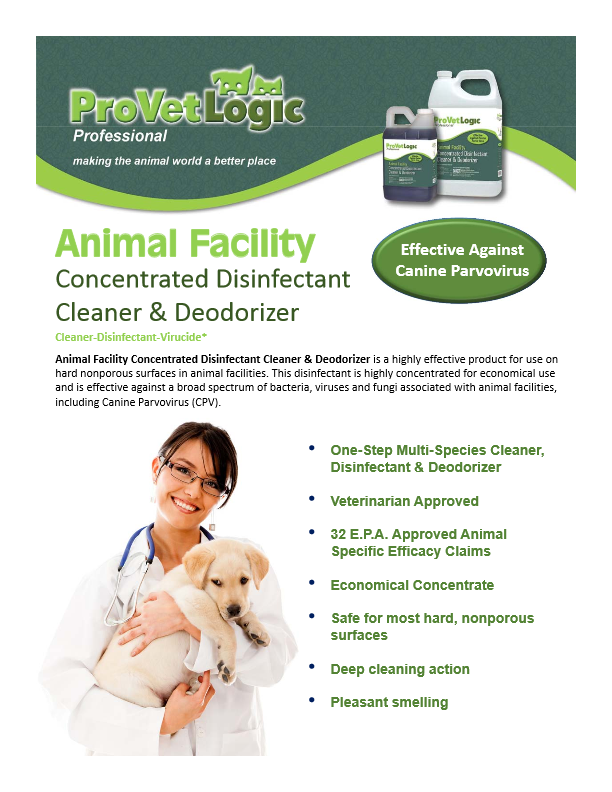
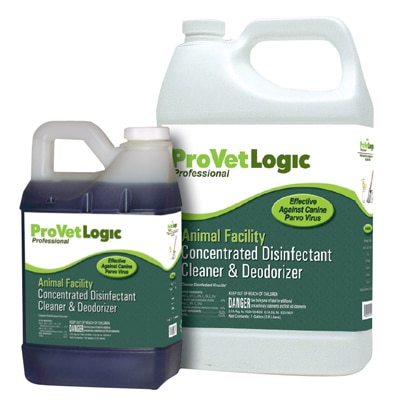
We are partial to ProVetLogic’s Animal Facility Disinfectant. The Kill claims include:
- canine parvovirus
- kennel cough
- feline calicivirus
- feline distemper
- feline panleukopenia
- salmonella
- avian influenza
- canine hepatitis
- canine rabies virus and more.
- Highly concentrated for economical use.
7). How do I clean my house if my dog has parvovirus?
Thoroughly wash all bedding, clothing and animal toys. Clean all dishes, water bowls and outside areas where the dogs defecate.
8). We run an animal shelter. How do we prevent parvovirus from spreading here?
Free training is available for veterinarians and animal shelters.rnrnThey can learn solutions and techniques for cleaning and effectively disinfecting hard, nonporous surfaces.rnrnThese surfaces are commonly found in the Professional Animal Care Environment.rnrnJoin Larry Shively for a
9). Can my dog get parvovirus more than once?
According to
“it is possible for a dog to get parvo twice, but it is extremely unlikely.”
10). What should I do if my dog has parvovirus?
According to
Supportive care for parvovirus generally includes:rnrnHospitalization with intravenous fluidsrnrnAntiemetics to stop vomitingrnrnFocusing on nutrition, with a feeding tube, if necessaryrnrnCorrection of any electrolyte imbalances or low blood glucose
Synopsis of the steps in the protocol is:
- Remove all animals, bedding, food, water and toys.
- Rinse the surface debris away, but do NOT pressure wash, as this may actually spread the infection.
- Spray (Mist) or foam the surfaces and allow the product to dwell for the specified kill time, usually at least 10 minutes.
- Never use full strength, undiluted Animal Facility Disinfectant.
- Always follow dilution instructions or use a diluting sprayer, such as the the ProVetLogic ProFoam Sprayer.
- Agitate remaining debris as it becomes loose.
- Rinse with clean water thoroughly and allow the area to dry thoroughly before replacing animals.
- Return animals after all visible product is removed.
WARNING: Do not try this procedure using bleach. Bleach can be absorbed through the paws and will be lethal to cats.
Veterinarian Offices and Animal Shelters
Veterinarians and animal care facilities should purchase
. Or, see the full array of products in the
disinfectants category.
Homeowners or Small clinics
Homeowners should use the
<strong>PRE-DILUTED</strong>
ProVetLogic product
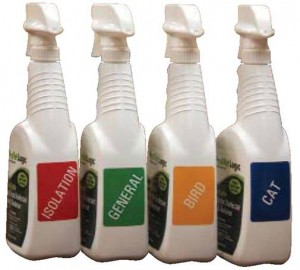
" This is the same effective formula as the concentrated Animal Facility, but in a ready to use spray bottle. It is also handy for examination room cleanings.
Pet Turf Owners
Owners of synthetic pet turf will need to
We offer
Large Area Kit
Large Area Parvo Treatment
Need to disinfect a large area, such as a kennel run or your yard? Use the combination of the ProVetLogc
and Animal Facility Concentrate.rnrn
Animal Facility Kit
Use the Animal Facility Kit to replenish disinfectant wipes and save. Here's a
Convenient Half-Gallon Size
Convenient 4-Packs
Want the precision of metered product use and the convenience of ample supply?rnTry the Animal Facility 4-Pack..rnrn
ProVetLogic Efficacy Data for Animal Facility Disinfectant Product
<strong>Canine</strong>
- Bordetella Bronchiseptica (Kennel Cough)
- Canine Parvovirus (CPV) (4 oz. per gallon)
- Canine Adenovirus
- Canine Coronavirus
- Canine Distemper
- Canine Parainfluenza Virus
- Canine Hepatitis
- nfectious Bronchitis Virus
- Rabies Virus
<strong>AVIAN</strong>
- Avian Influenza A H9N2 / Turkey / Wisiconsin Virus Infectious
- Avian Laryngotracheitis
- Avian Influenza A H5N1 Virus
- Avian Reovirus
<strong>FARM</strong>
- Equine Arteritis Virus
- Influenza A2/Japan virus
- Minute Virus of Mice (4 oz. per gallon)
- Newcastle disease virus
- Porcine Parvovirus (4 oz. per gallon)
- Porcine Rotavirus
- Pseudorabies virus
- Porcine Respiratory (PRRSV)
- Infectious Bovine Rhinotracheitis
- Transmissible Gastroenteritis (TGE)
<strong>FELINE</strong>
- Feline Calicivirus
- Feline Calicivirus (surrogate for Norwalk/Norovirus)
- Feline Infectious Peritonitis
- Feline leukemia virus
- Feline Panleukopenia
- Feline Picornavirus
- Feline Rhinotrachetis
<strong>OTHER</strong>
- Aspergillus niger
- Trichophyton mentagrophytes
- Staphylococcus MRSA
- Escherichia coli
- Salmonella
- Herpes Simplex Type 1 & 2
- HIV-1 (AIDS Virus)
- Human Corona Virus
- Influenza A/Hong Kong
- Hepatitis B & C
- Vaccinia Virus
- Murine Parainfluenza Virus Type 1
rnrnLearn How To Kill Canine Parvovirus from the Efficacy Data Report
Animal Care Spray & Wipe Disinfectant Cleaner Efficacy Data
<strong>Ready-To-Use Disinfectant</strong>
, Cleaner & Deodorizer
Bleach Doesn't Work
Need to see why this is so much better than bleach?
Looking for a way to keep the economics of dilution and reduce the labor costs at the same time? Look to the right.